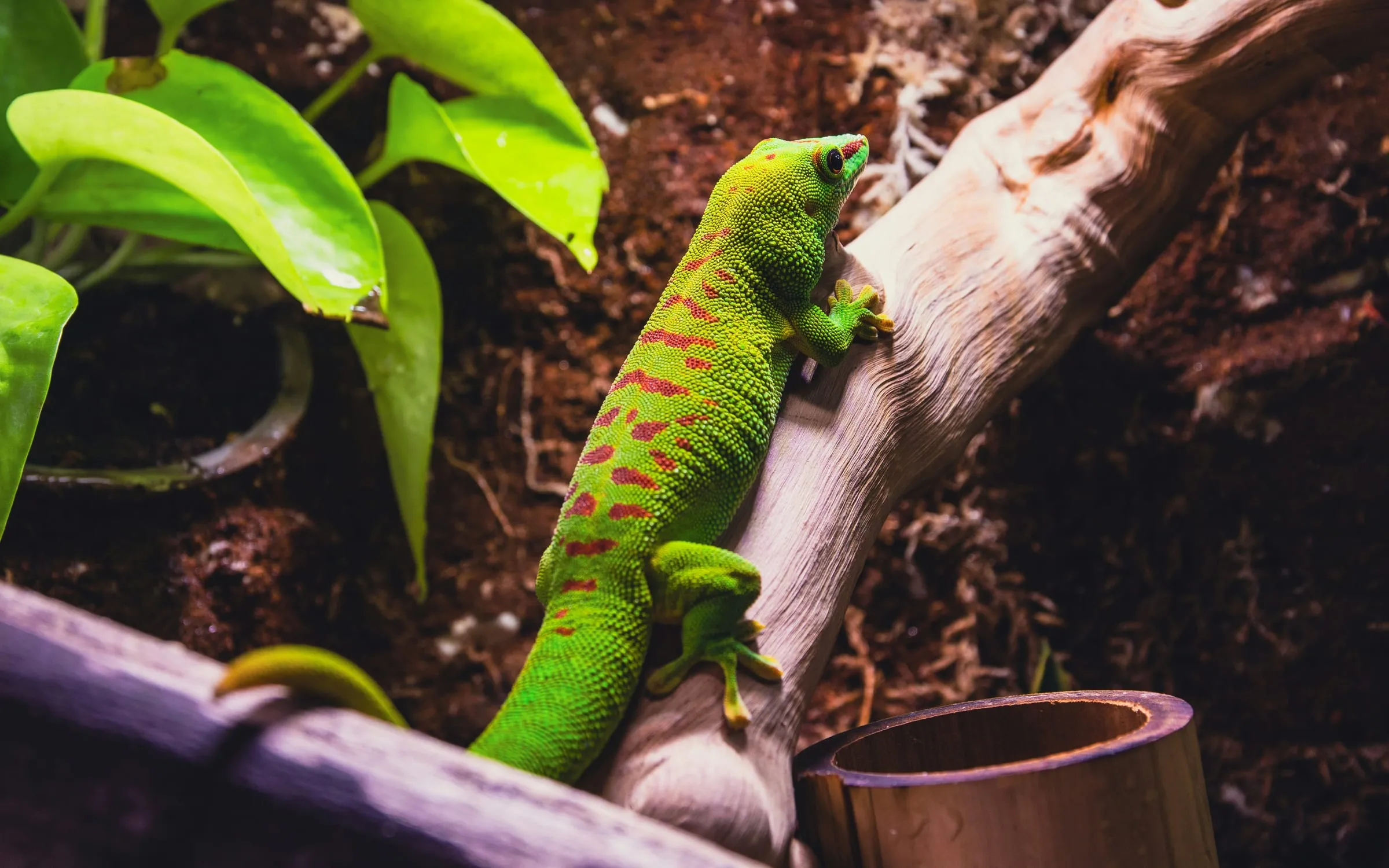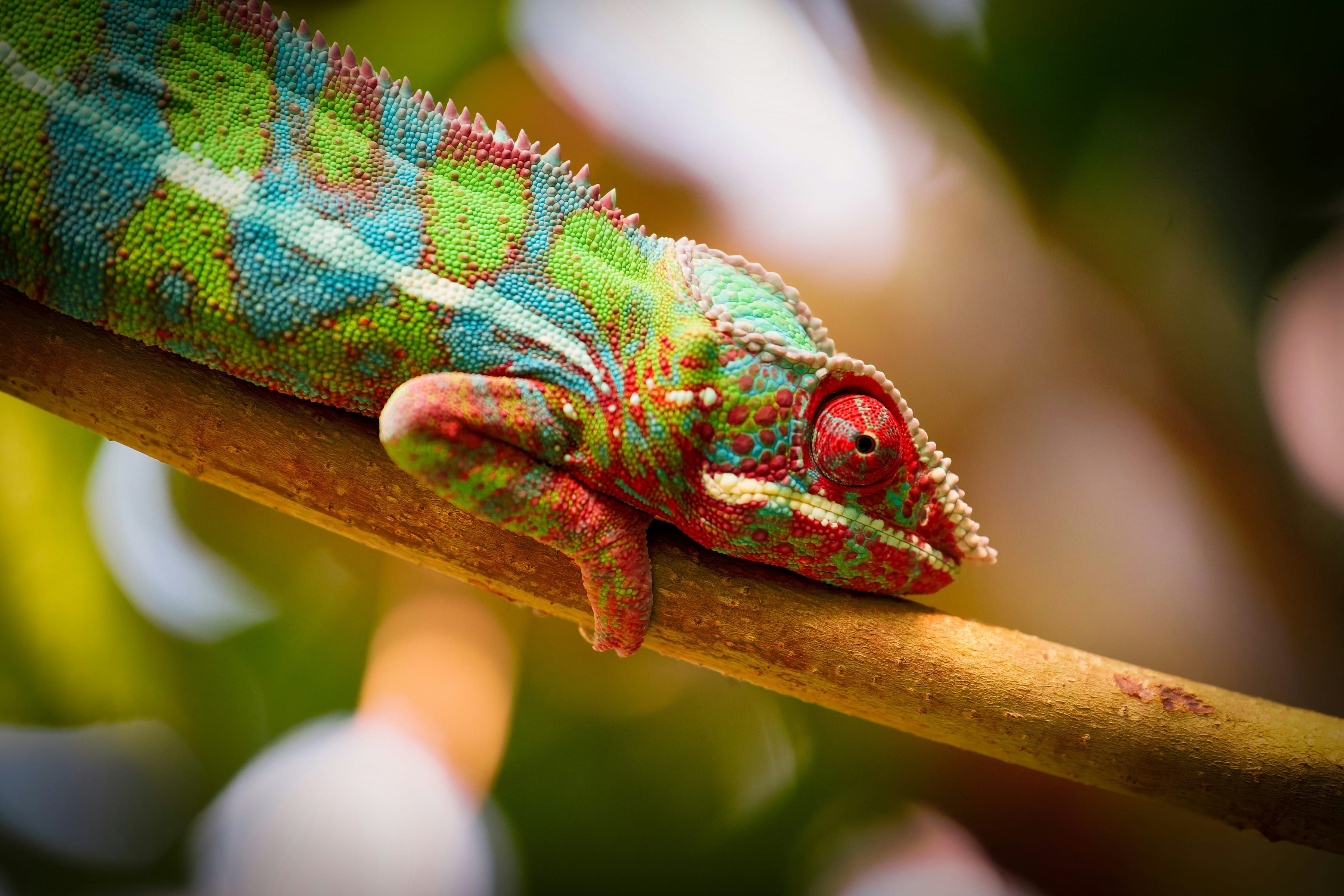
Pico, a panther chameleon

Census of residents. Use the arrow keys to move between tiles.

Every tile is someone.

Pico turns orange when the vet walks in. He has never once been wrong about it.

Sponsor an animal

Pico · Panther chameleon · 1 of 5

The journey · How they travelled

They came in things like these.

Every container here is empty. When it was found, it wasn't. These are real seizures, with their sources; our residents' stories are made up, these are not.

About 12,000animals in these eight cases.

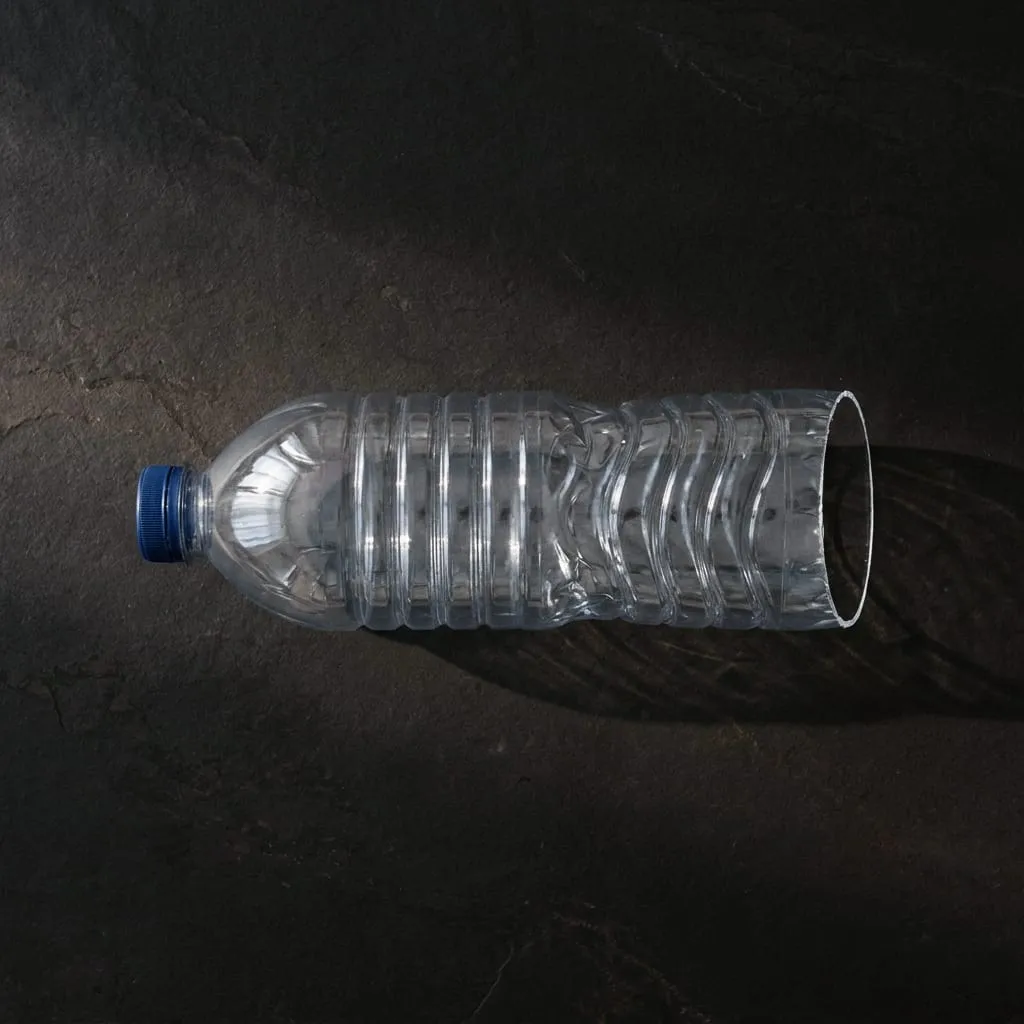
An empty 1.5-litre plastic water bottle, crushed, seen from above

01 2015

Water bottle

An empty length of grey drain pipe, both ends closed with twisted wire

02 2017

Drain pipe

Three black film canisters, one of them open and empty

03 2024

Film canister

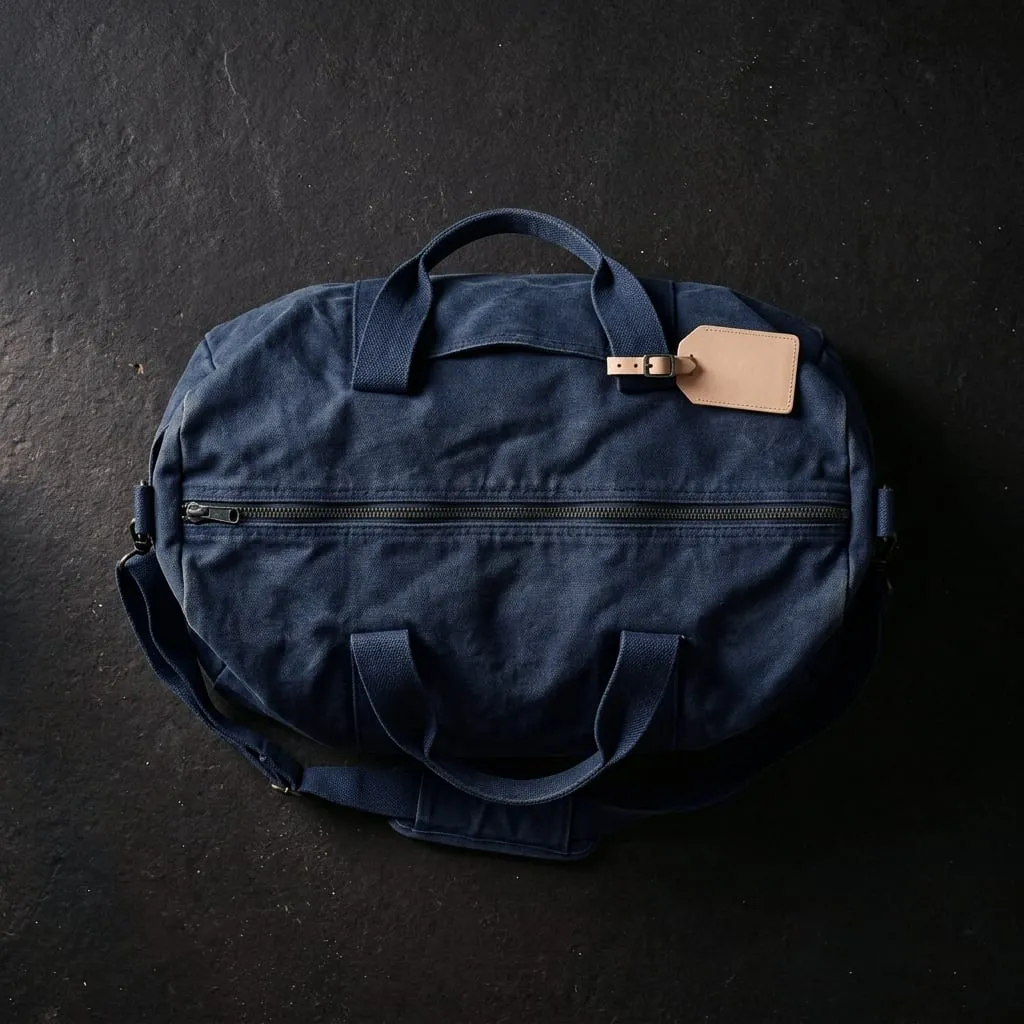
An empty dark blue travel bag, zipped

04 2013

Travel bag

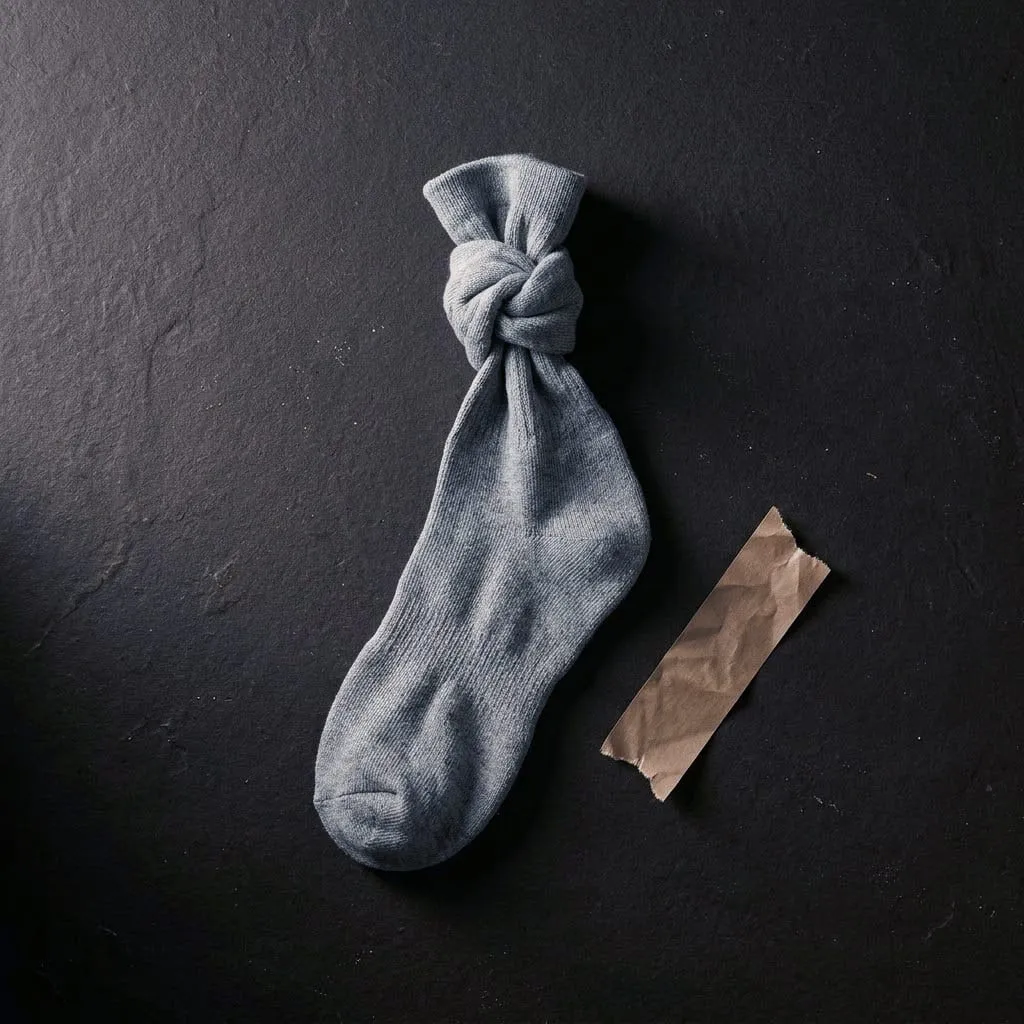
An empty grey cotton sock, knotted at the top

05 2023

Sock

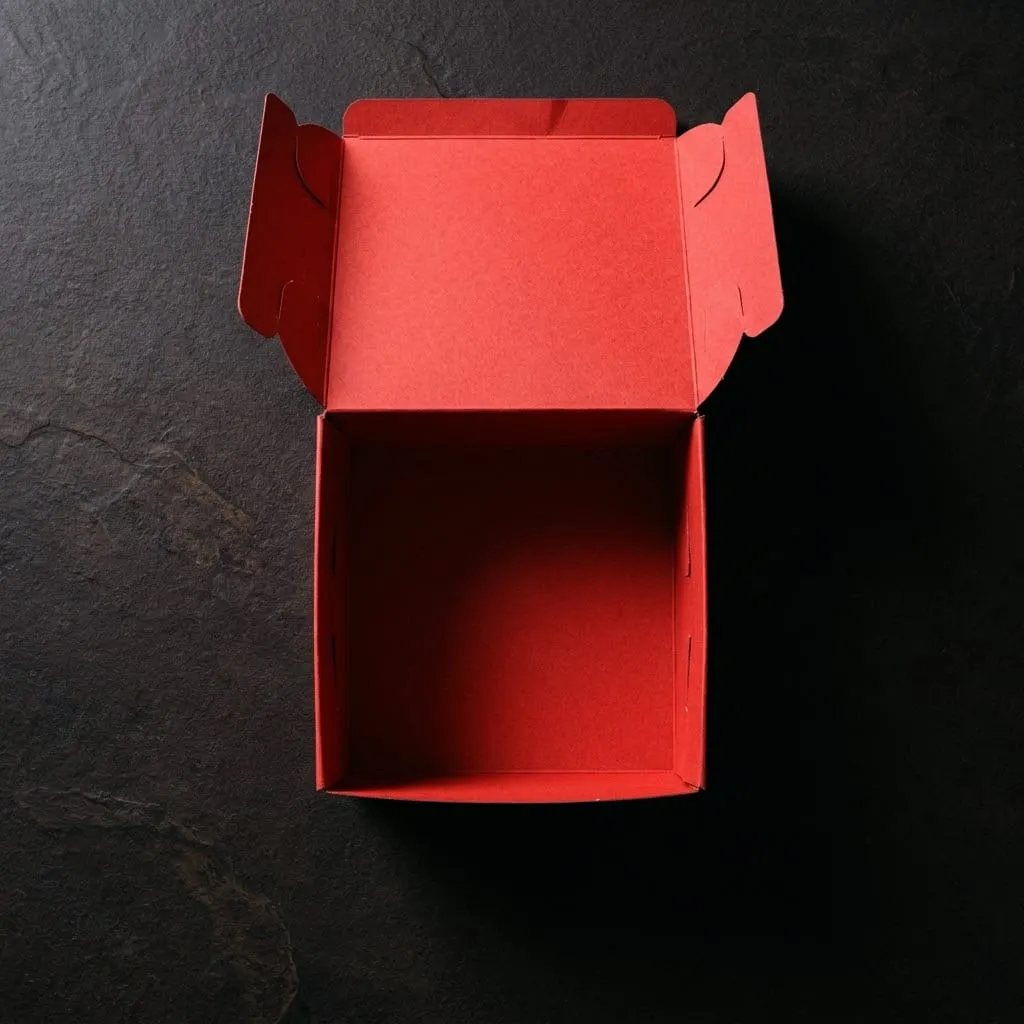
An empty red cardboard cake box with the lid open

06 2025

Cake box

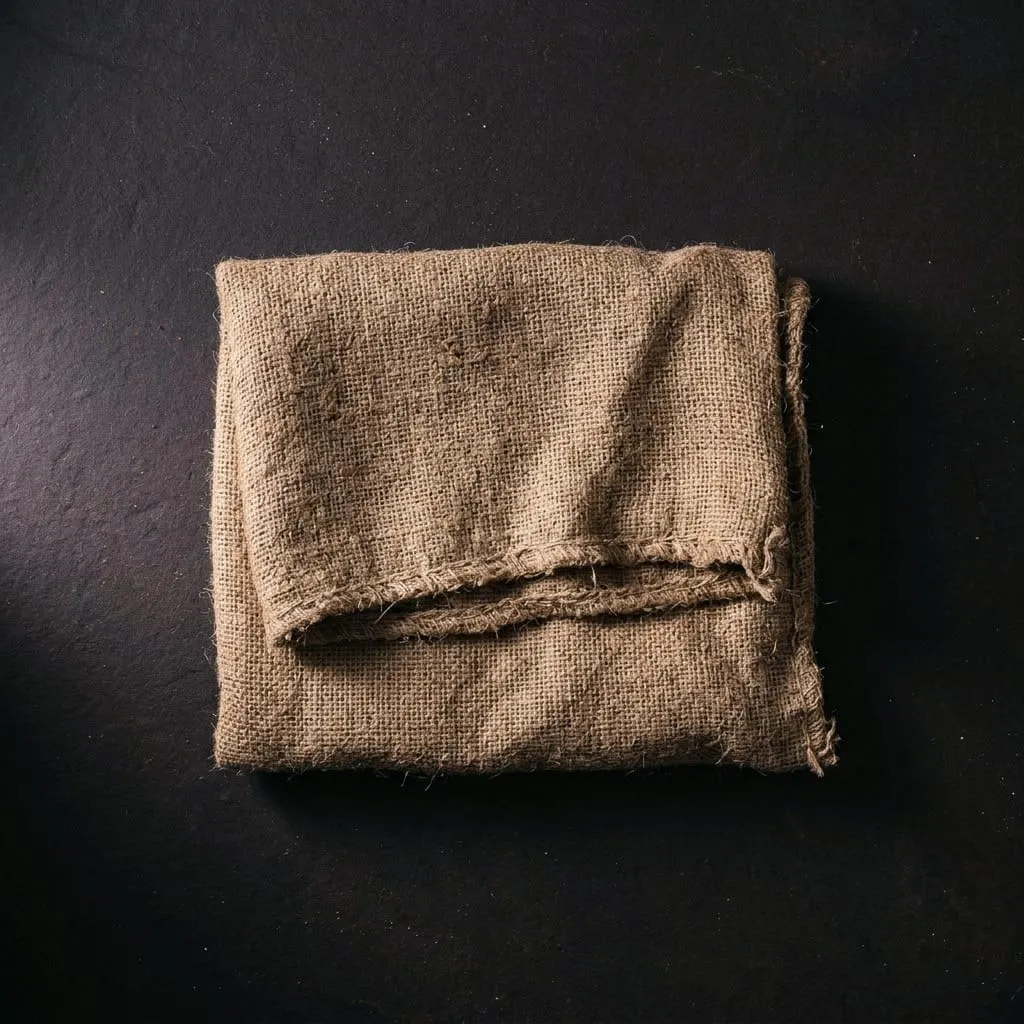
An empty jute sack, folded over

07 2025

Sack

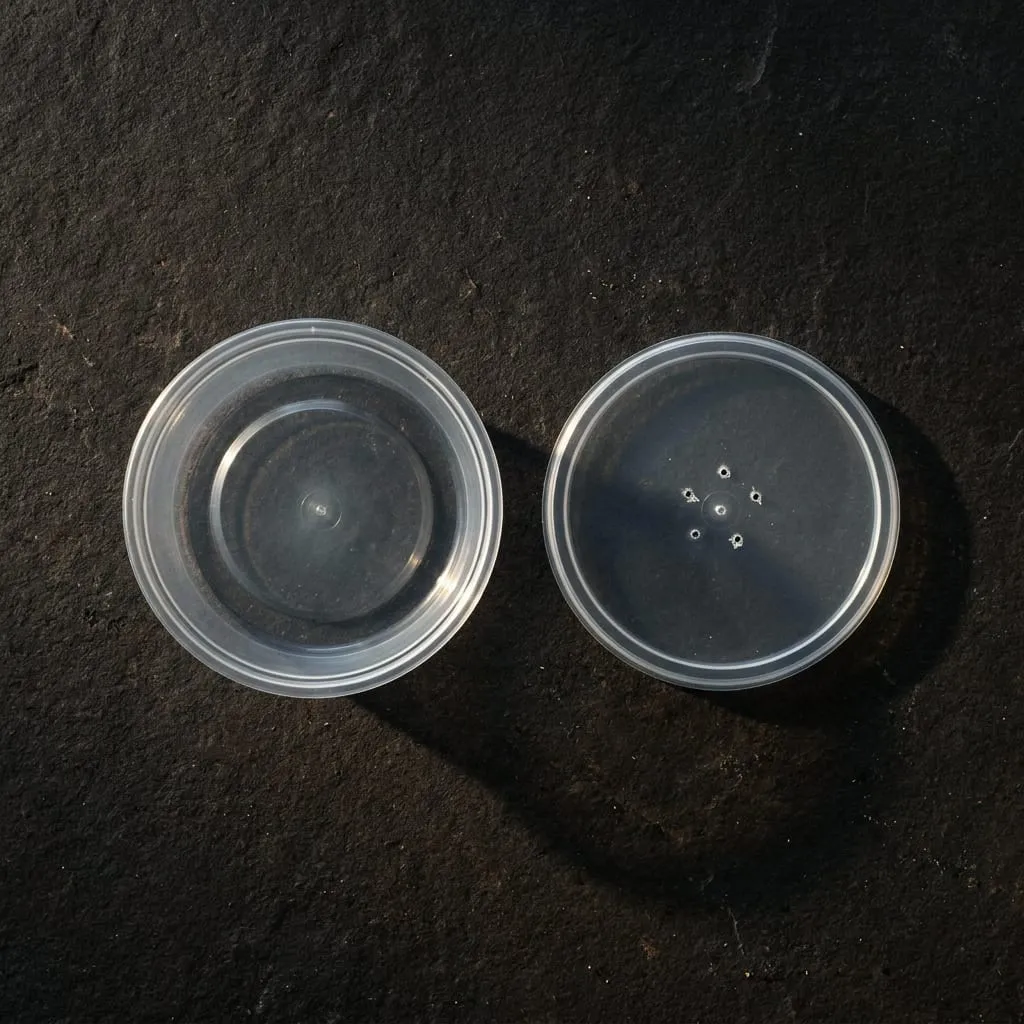
An empty clear plastic food tub with a lid

08 2014

Plastic food tub

Most animals smuggled like this never reach a sanctuary. The ones that do arrive in the next section.

Container images are AI-generated illustrations, not photos of the seized items. The seizures, numbers and sources are real.

The journey · The four rooms

Halfway is a place.

Four rooms between a seizure and the rest of a life. Tahina is going through them now.

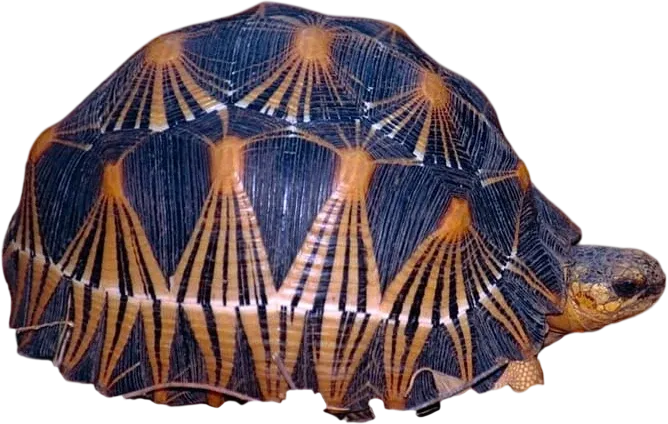
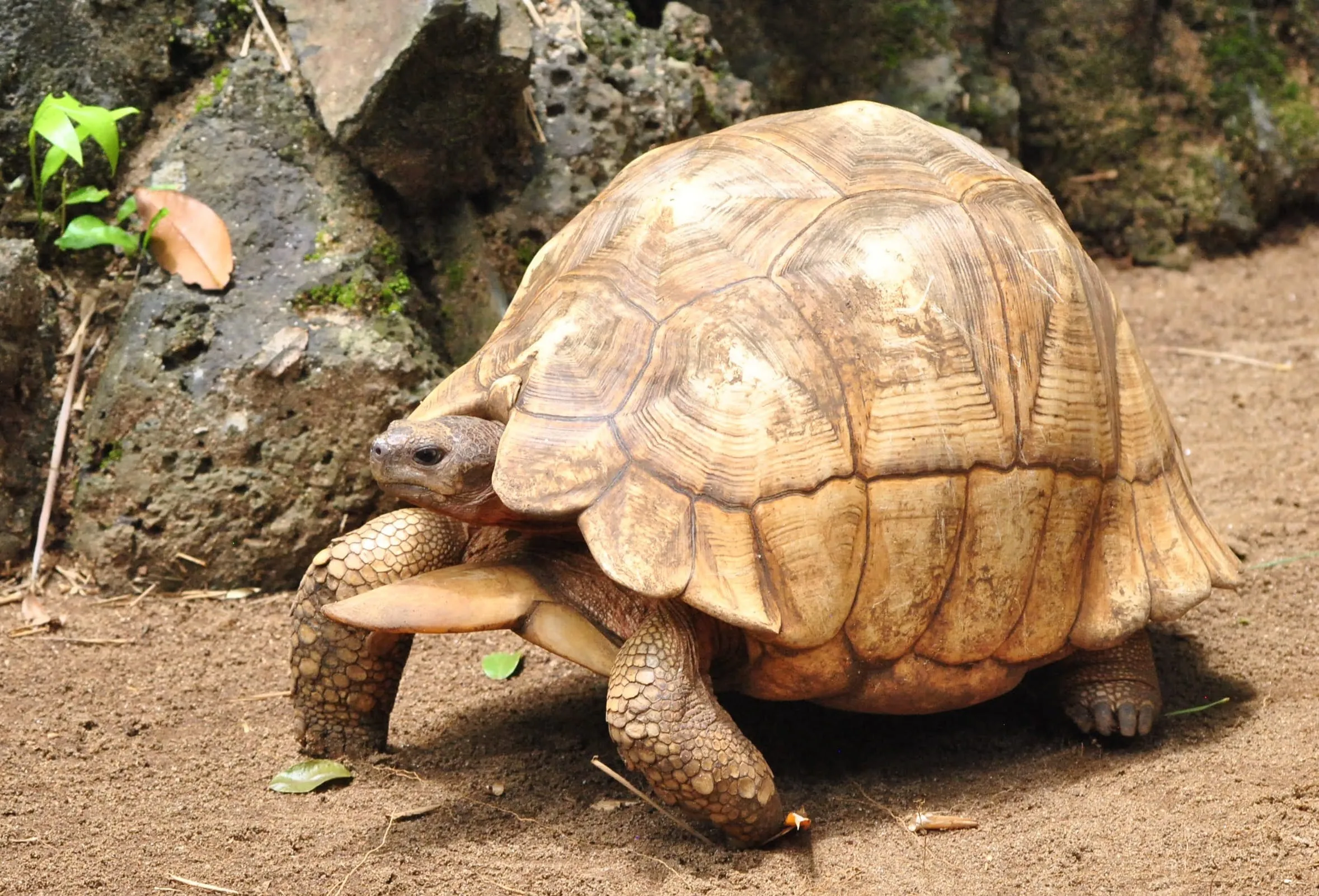
Tahina

Astrochelys radiata

Female~12 yearsHW-0417example

Tahina, a radiated tortoise

Day190

Weight4,630 g

  1. Day 0Arrived dehydrated, legs taped inside the shell.
  2. Day 12Eating on her own.
  3. Day 41Found the hibiscus.
  4. Day 190Cleared to fly home to Madagascar.
  1. A quarantine room, set apart from the rest of the sanctuary

    01

    Quarantine

    Thirty days alone, on purpose. New arrivals can carry parasites and viruses nobody has a name for yet, so they get their own room, their own keeper and their own tools.

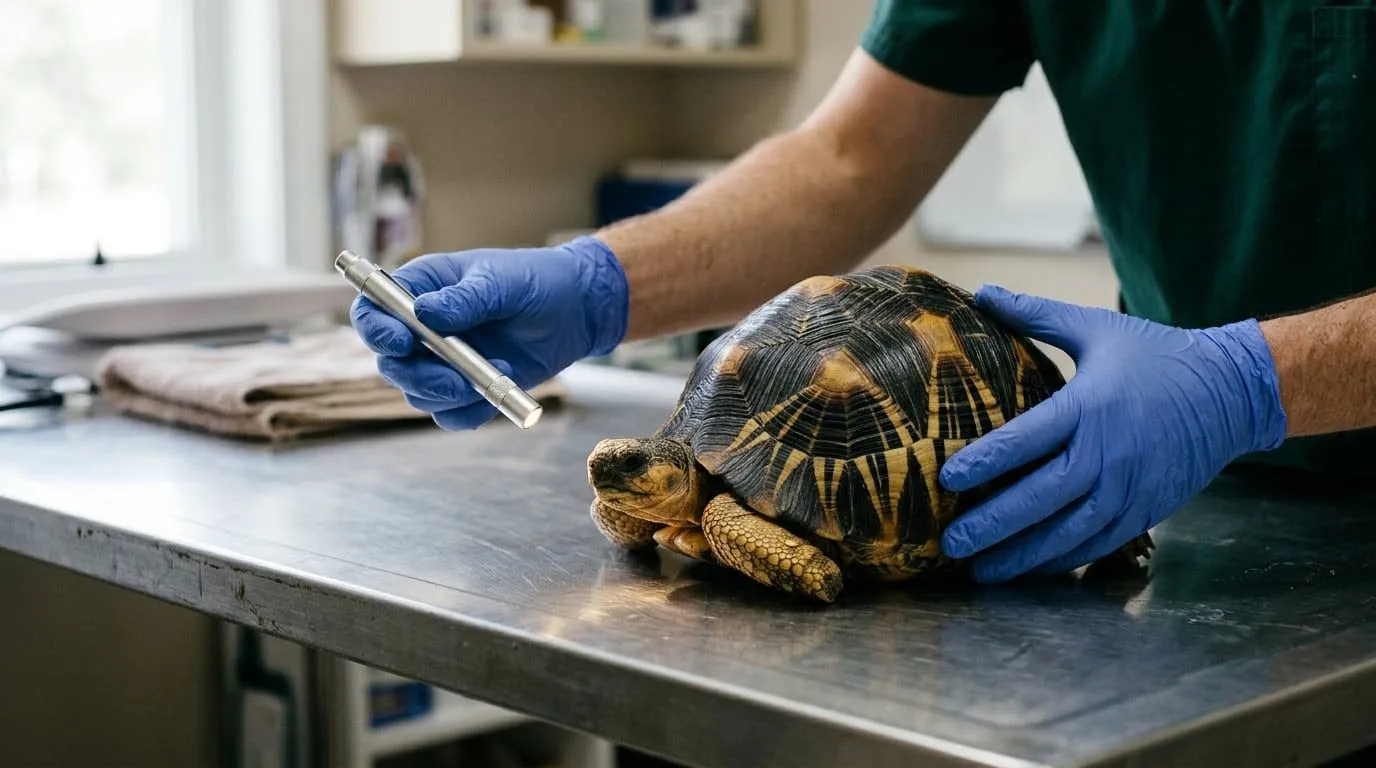
  2. A treatment table in the sanctuary clinic (AI-generated)AI-generated image

    02

    Treatment

    Dehydration first, then everything else: shells, beaks, eyes, broken skin, the damage of the trip. Most of it heals. Some of it gets managed for life.

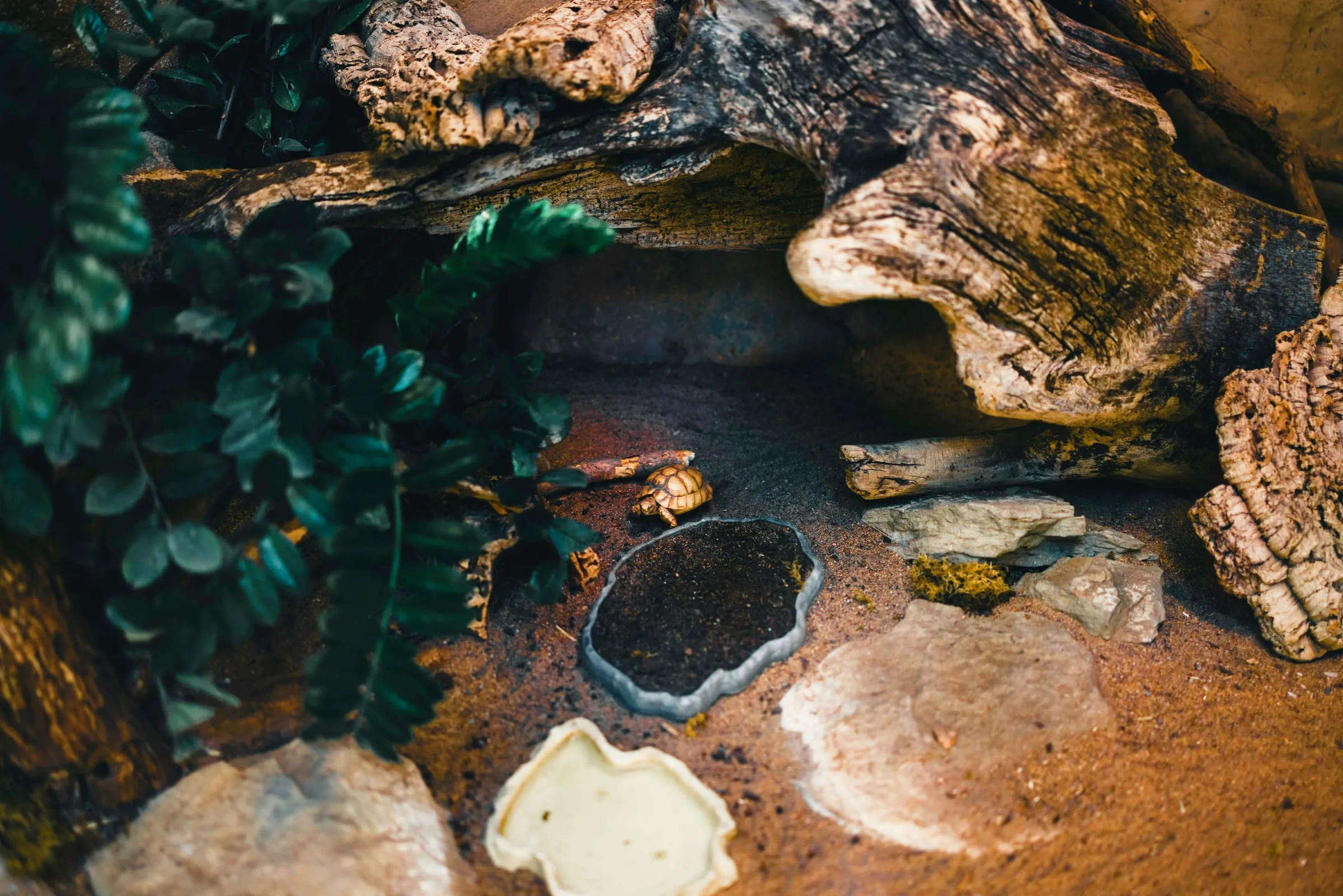
  3. A rehab enclosure with branches and space to climb

    03

    Rehab

    Learning to be an animal again: finding food that isn't handed over, climbing, hiding, flying the length of an aviary. Some learn in weeks. Some never need to.

  4. A release site in open country

    04

    Release · or sanctuary

    If the species, the place and the paperwork allow it, they go home, through a programme in their country of origin. If not, they stay here, for good, and that is not a failure.

Some of them get a last door. Here is the day it opens.

The journey · Release day

The best day of the year is a door opening.

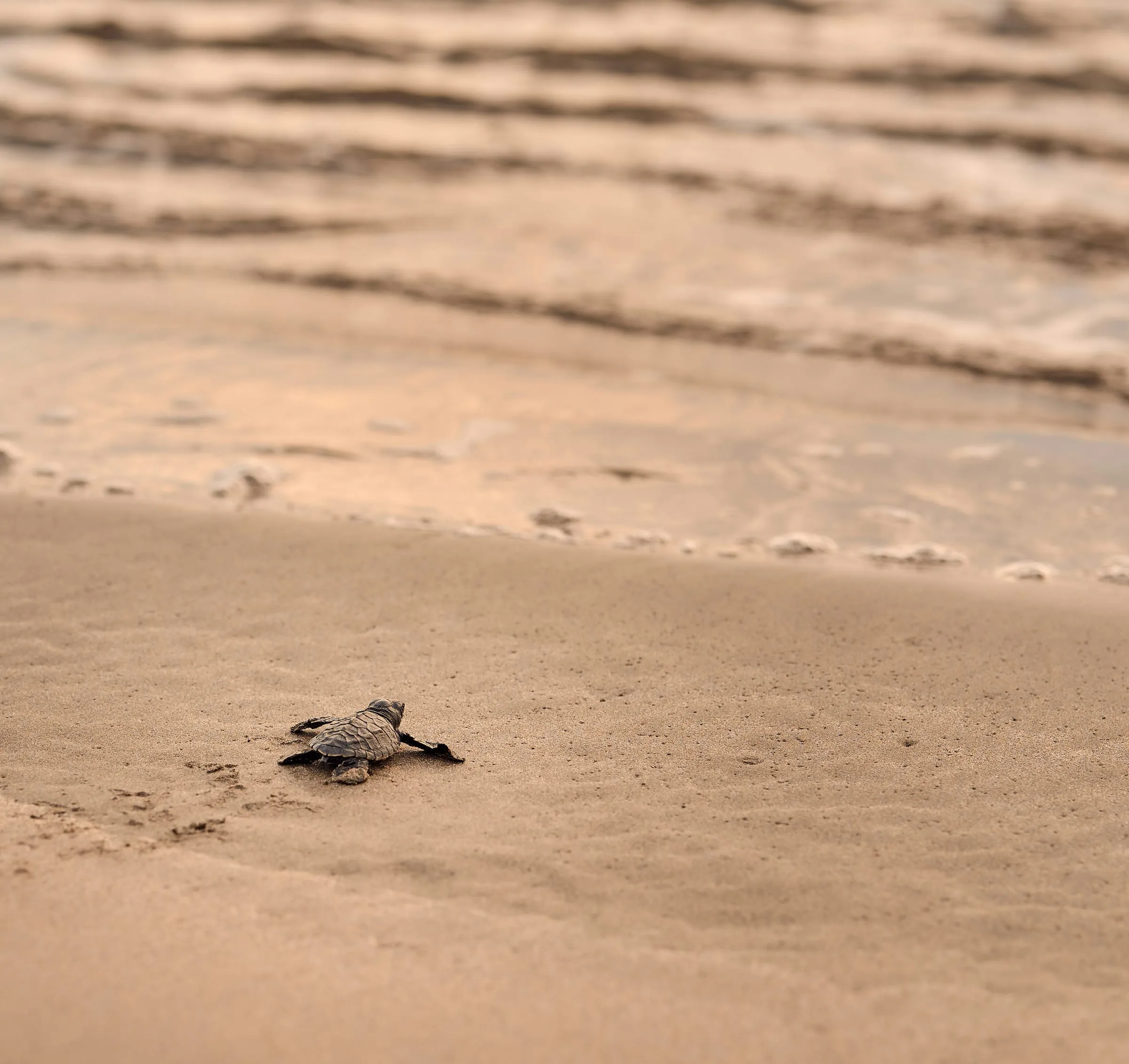
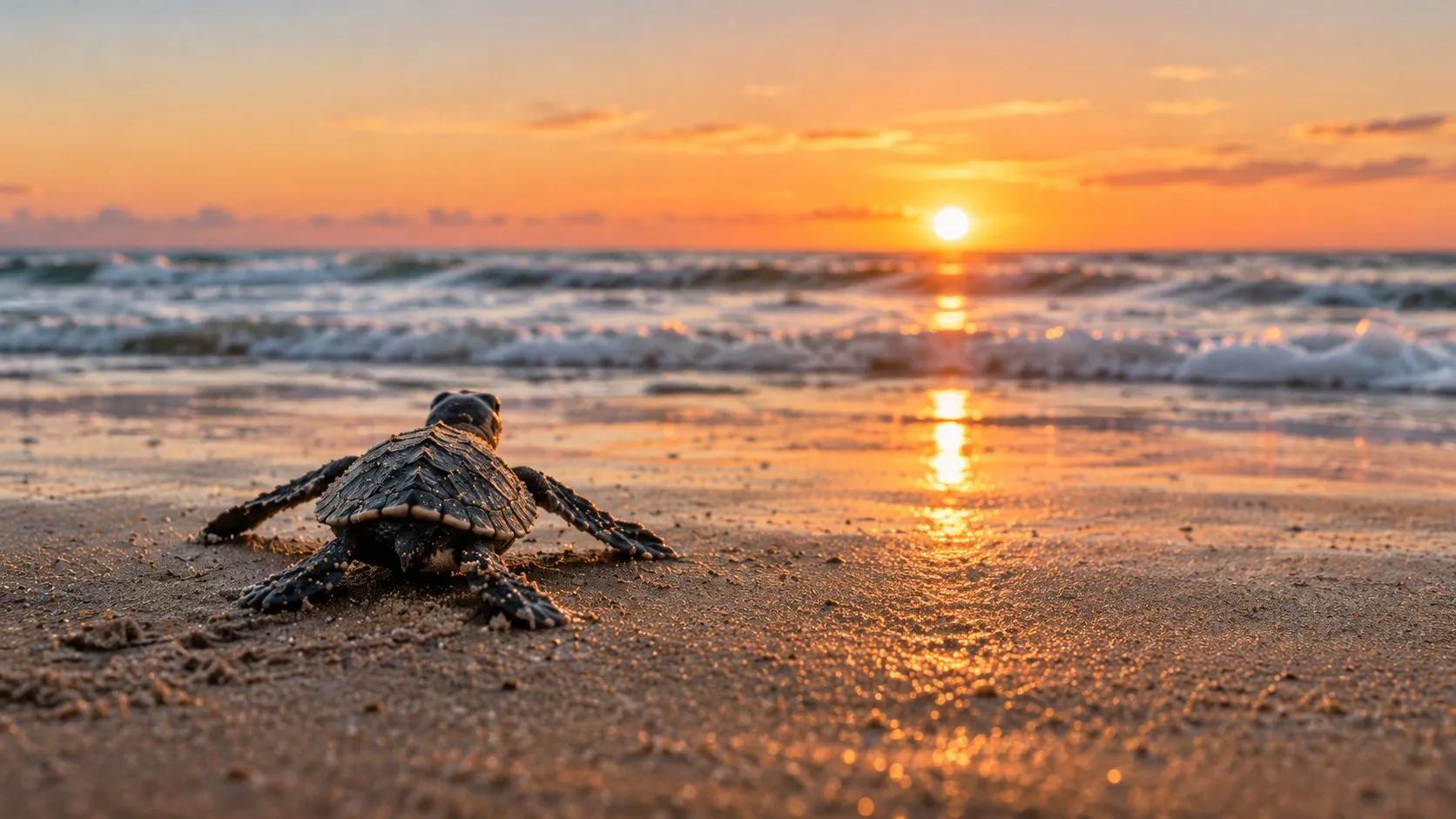
A hatchling turtle crossing wet sand towards the sea at sunset, seen from behind.

AI-generated Poster and clip made with generative tools for this demo. No real release is shown here.

Releasing Rescued Animals Back Into The Wild · BBC Earth. YouTube, loaded only when you press play.

4 residents on their way home right now · 31 since we opened (example)

A release needs three things

  1. A species that can survive.
  2. A place that's safe.
  3. A country that will take them back.

When we don't know where an animal was taken from, it stays.

Atlas · The resolution of a species

One tile for every animal left in the wild.

Pick a species and press play: watch the picture lose its detail.Each picture below is drawn with one tile for every animal left in the wild.

Ploughshare tortoise
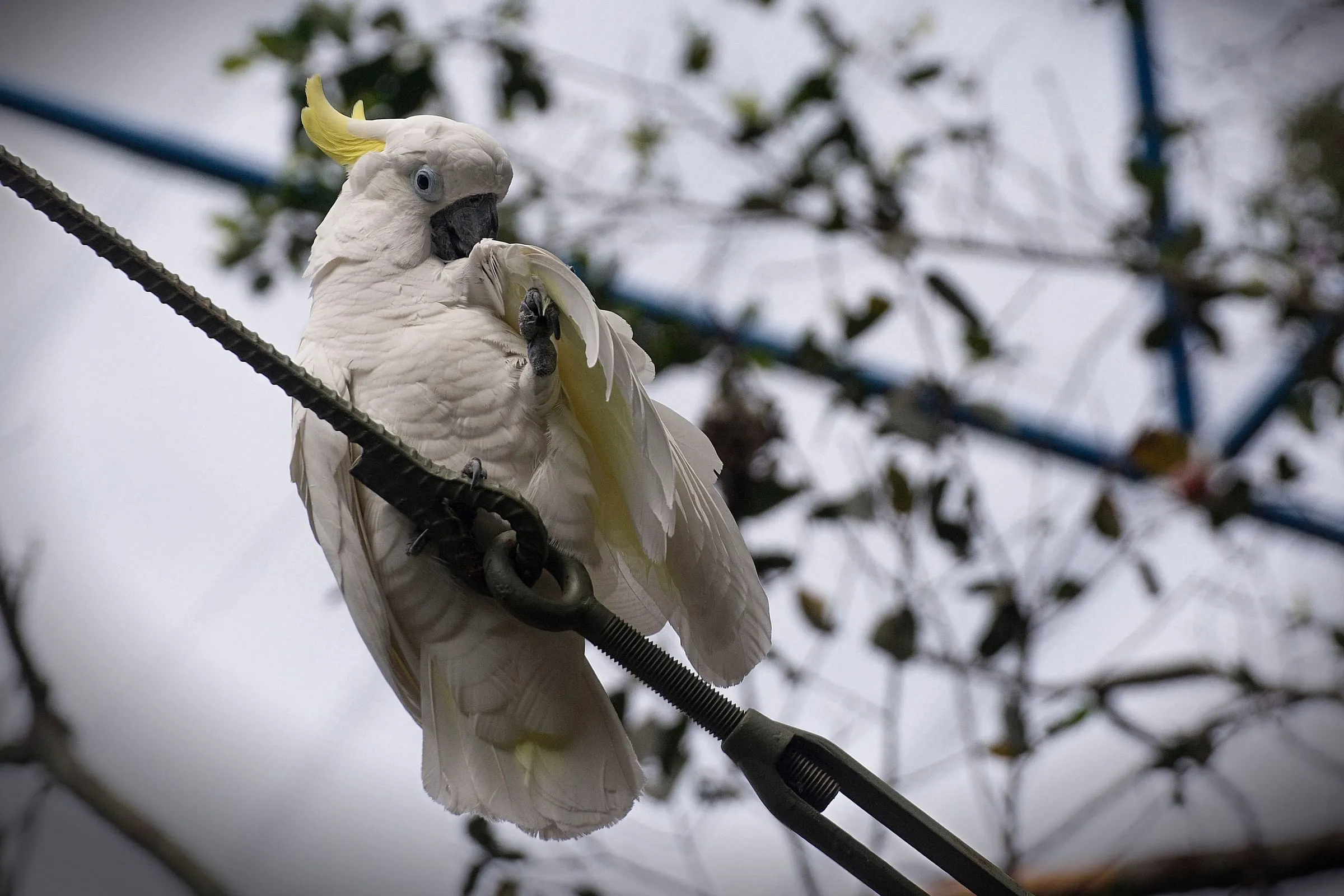
Yellow-crested cockatoo
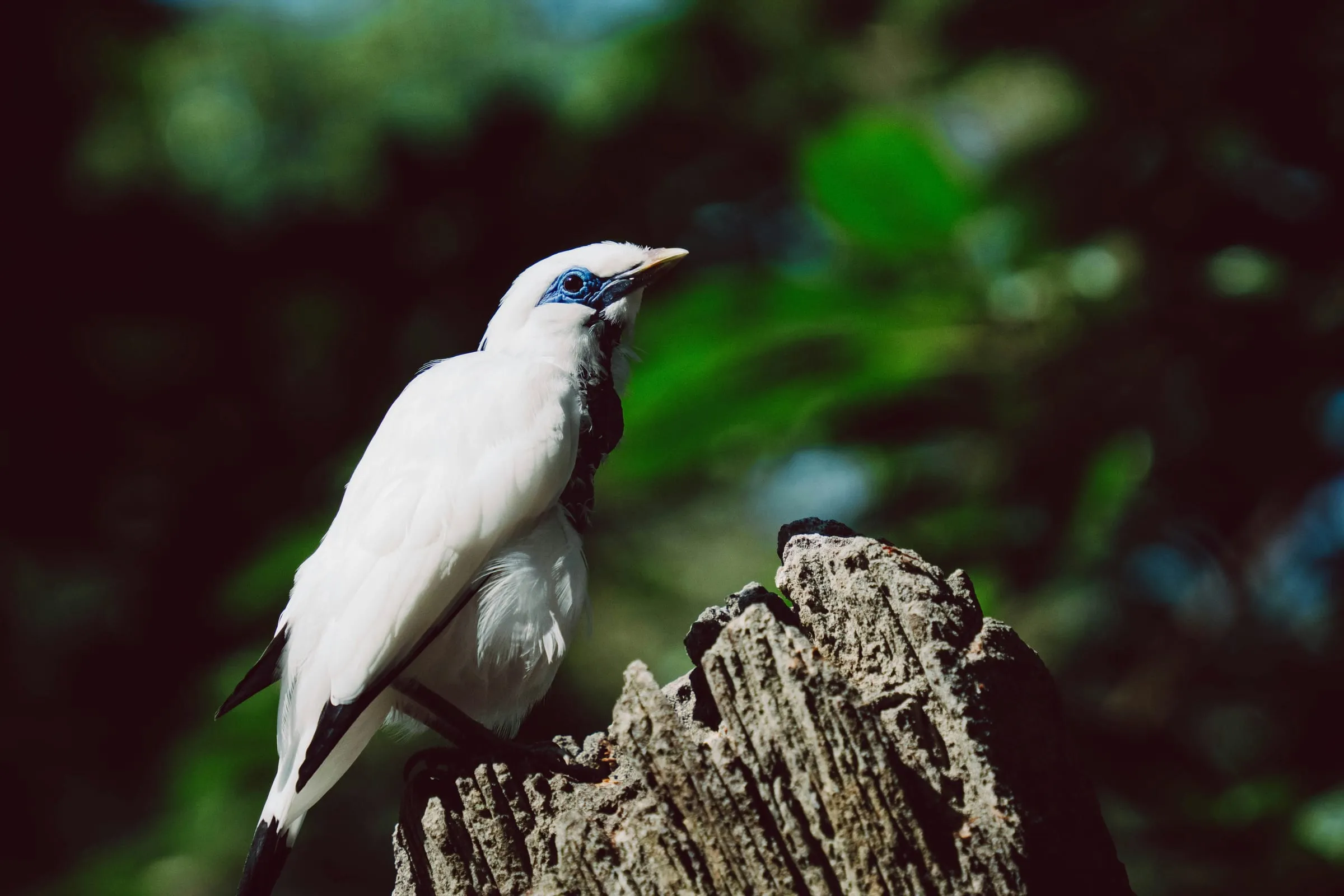
Bali myna
Bali myna

2006–2008 · left in the wild

about

SourceSourceSources

Ploughshare tortoise example

  1. Ploughshare tortoise2006–2008 · about 1,105 adults and young adults.
  2. Ploughshare tortoise2014–2015 · about 506. Most of the missing were taken for the pet trade.
  3. Ploughshare tortoiseToday · around 100. Fanantenana is one of the ones that got away.
  4. Yellow-crested cockatooThree generations ago there were at least five times as many. We drew that from the decline, not from a count: nobody counted them then.
  5. Yellow-crested cockatooToday · 1,200 to 2,000 adult yellow-crested cockatoos.
  6. Bali myna1990 · about 15 Bali mynas left in the wild. Poachers were taking them for the cage-bird trade.
  7. Bali myna2001 · six Bali mynas left in the wild.
  8. Bali myna2021 · about 420 in West Bali National Park, after years of releases and village-led protection.

The starting point is not an estimate: it is the «more than 80% lost» applied to today's 2,000. Kirana and Bayu are two of the ones that didn’t stay in the bottle.

The Red List still counts fewer than 50 mature birds, because a released bird only counts once it raises young of its own (IUCN 2021). Putih is learning.

1,105506100
Square area = animals left in the wild
10,0002,000
Square area = animals left in the wild
156420
Square area = animals left in the wild

Numbers only tell half of it. The other half is the good days.

After WWF Japan’s “Population by Pixel” (Hakuhodo C&D, 2008).

Atlas · Good days

Small wins, logged daily.

Nobody here is famous. These are the days we write down anyway.

Atlas · Behind the cute

You've seen this video.

Scroll through. Each post turns over to show what the camera didn't.example

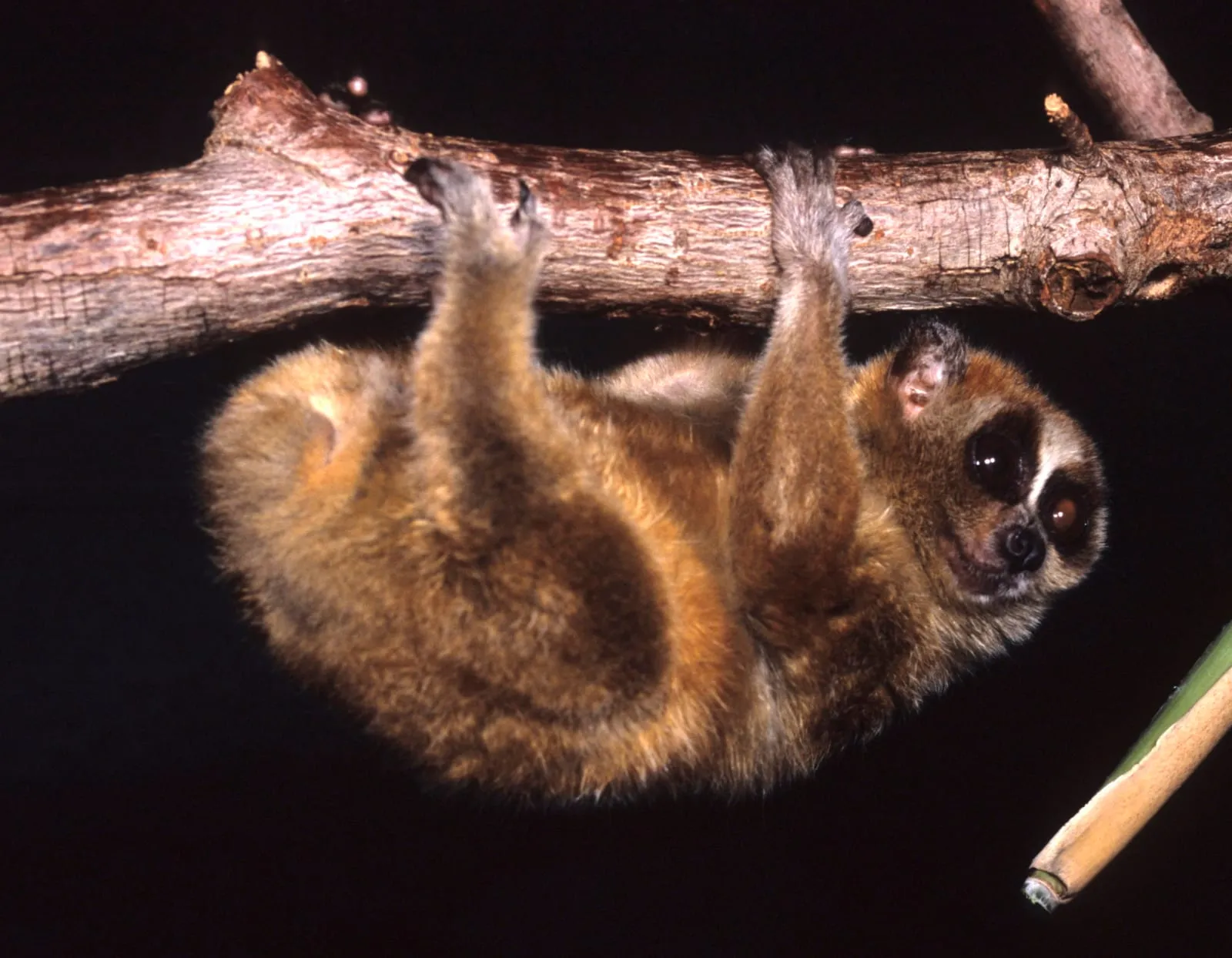
  • Pygmy slow loris@tinyhands.daily

    tickle time!! he lifts his arms every time, he LOVES it #cute #slowloris

    48,200 likes1,260 comments2,900 reposts

    Pygmy slow lorisEN EndangeredCITES Appendix I

    Venomin a gland inside the elbow

    Arms up isn't "more, please". A slow loris raises its arms to reach the venom gland on the inside of its elbow: it is getting ready to bite. Pet lorises usually can't, because their teeth were cut out.

    Source
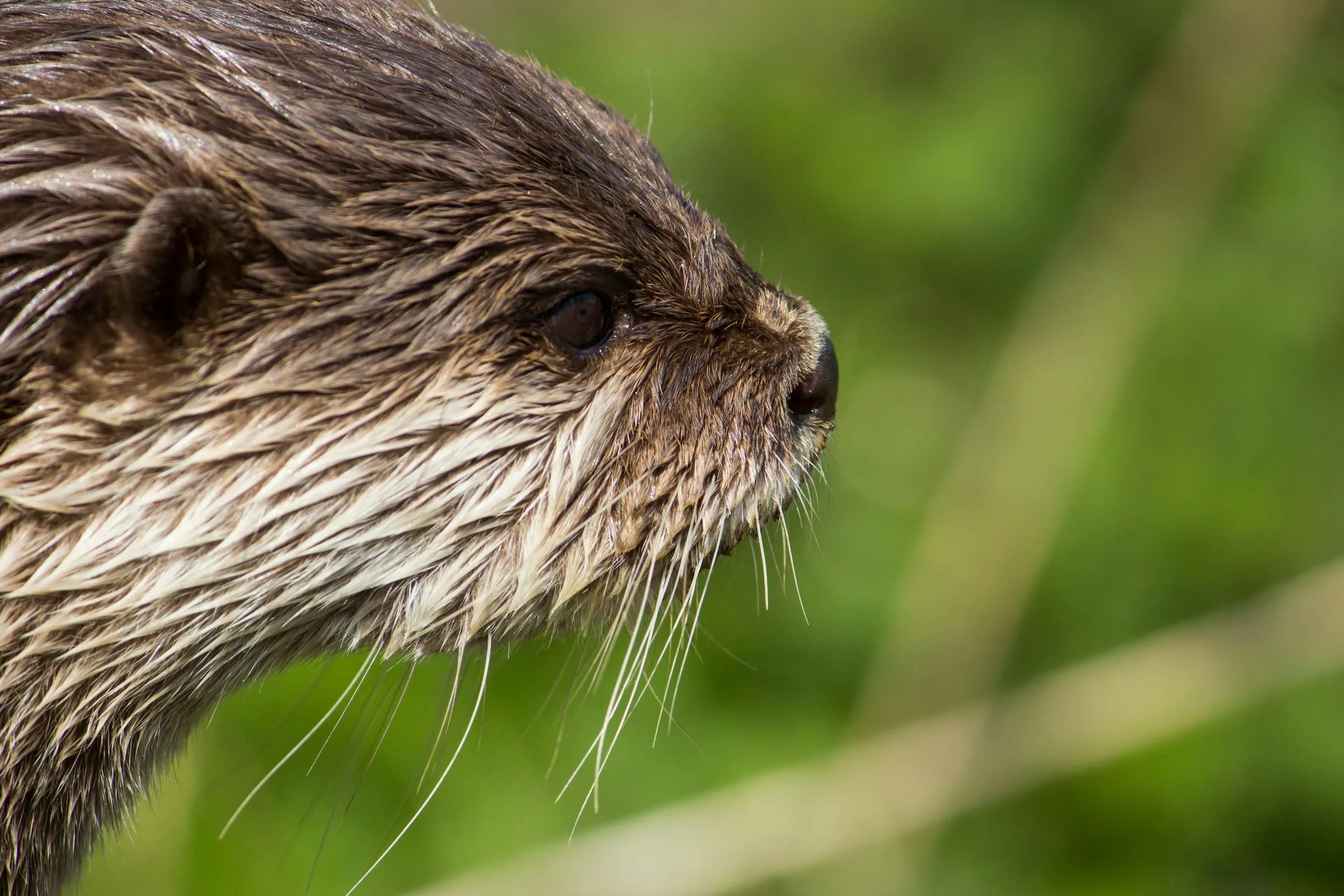
  • Asian small-clawed otter@cafe.otter.days

    coffee with my favourite barista ☕ #ottercafe #otterlove

    112,000 likes3,400 comments8,100 reposts

    Asian small-clawed otterVU VulnerableCITES Appendix I

    39+otters seized, 2016 and 2017

    Japan's otter cafés and pet-otter stars on social media drove a smuggling boom from South-East Asia. At least 39 small-clawed otters, mostly young, were seized on their way to Japan in 2016 and 2017.

    Source
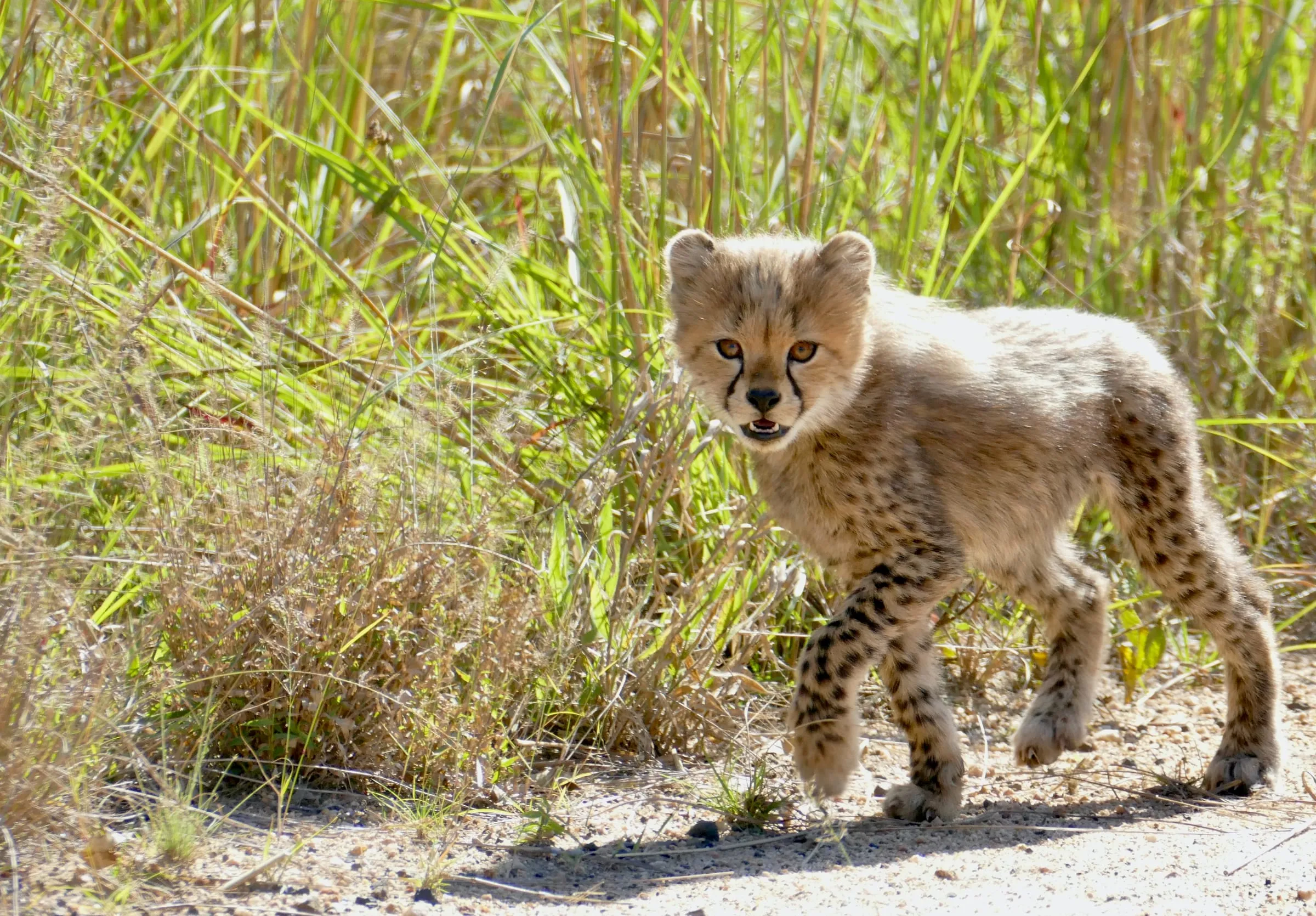
  • Cheetah cub@luxe.pets.official

    say hi to the new baby of the house #bigcat #exoticpets

    9,700 likes412 comments640 reposts

    CheetahVU VulnerableCITES Appendix I

    3,600+cheetahs sold illegally, 2010 to 2019

    More than 3,600 cheetahs were offered or sold illegally between 2010 and 2019, most of them cubs taken from the Horn of Africa for buyers in the Gulf. Only about one in ten was intercepted, and many die on the way. Dealers advertise them on social media.

    Source
  • Love them from afar.

    • Don't like, share or comment: engagement is what sells the next one.
    • Don't book the photo, the café or the cuddle.

    About 12,000 animals named in the sources of eight real cases. Every one of them was somebody's cute video.

    Open the atlasWatch them wild instead

Atlas · Field guide

A field guide to who's here.

35 species, 5 plates. Every one of them has at least one resident with a name.

Red ListIUCN CITES

Plate I. Birds

Plate II. Reptiles

Plate III. Amphibians

Plate IV. Mammals

Plate V. Invertebrates & fish

Drawn by eye, not to scale. Click a specimen for its dossier.

Visit · Come and see them

Come and see them. Quietly.

Guided visits on Saturdays and Sundays, 10:00 and 15:00, groups of 12. No flash, no touching, no feeding: the animals don't perform, and that's the point.

Pick a tour (example)

Saturday

Sunday

Choose a tour and we'll hold a place for you. Nothing is sent: this is a demo.

Plan of the sanctuary (made up): entrance at the bottom, a visitor path looping past the rehab yard, the hibiscus garden, the aviary and the pond. Quarantine, top left, is closed to visitors.Kirana · yellow-crested cockatooKuala · pig-nosed turtleLayla & Asad · cheetah cubsFitia · ring-tailed lemur
  • Entrance and meeting point
  • Visitor path
  • Rehab yard, seen from the path
  • Aviary
  • Pond
  • Hibiscus garden
  • Quarantine, closed to visitors
Made-up plan (example)

Volunteer

Volunteers from 18, at least one morning a week for six months. Mostly cleaning, chopping and carrying. Very little cuddling, because there is none.

Leave a room

Leave something in your will and a resident who isn't born yet will have a room.

Find us

Example address

Via degli Esempi 0, 00000 Nowhere (example)

+00 000 000 0000 (example)

Questions we get a lot

Can I adopt a parrot?

No. Here's why. A parrot can live 60 years, needs a flock and screams for a living. Most of ours came from homes that loved them and couldn't cope. Sponsor one instead: it stays here, with its kind.

Can I hold one?

No. Handling stresses wild animals, and every photo of a person holding an exotic pet makes the next one easier to sell.

Why don't you release everyone?

Because release needs three things: a species that can survive, a place that's safe, and a country that will take them back. When we don't know where an animal was taken from, it stays.

Where does my money go?

Food, vets, heating and the paperwork that sends animals home. (In this demo, nowhere: no money is taken.)

Are these animals real?

The species and their stories in the wild are real, with sources. Halfway Wild, its residents, IDs and seizures are fictional: this is a demo site by Loop Studio.

What should I do if I'm offered an exotic pet?

Say no, and report it to your national wildlife authority or customs. Online listings can be reported on the platform.

Thank you.

Every tile is someone.

Sources

77 sources behind the numbers on this page. The charity is made up; every source here is real.

True cases (How they travelled)

  1. 1Mongabay, S. Saturi, 11 May 2015: «Twitter campaign prompts Indonesians to free captive cockatoos in droves» (opens in a new tab)
  2. 2AFP via Phys.org, 16 Nov 2017: «Indonesia smugglers stuffed exotic birds in pipes: police» (opens in a new tab)
  3. 3NBC New York, 30 Jan 2024: «Woman arrested at Colombia airport after 130 endangered poisonous frogs found in her luggage» (opens in a new tab)
  4. 4TRAFFIC, 19 Mar 2013: «Largest seizure of Critically Endangered Ploughshare Tortoises made in Thailand» (opens in a new tab)
  5. 5US Department of Justice, Mar 2025: «Chinese national sentenced for smuggling turtles from the United States to Hong Kong» (opens in a new tab)
  6. 6The Washington Post (M. Javaid), via The Spokesman-Review, 15 Jul 2025: «Roughly 1,500 tarantulas found stuffed in boxes meant for cake» (opens in a new tab)
  7. 7AP via Africanews, 2 Oct 2025: «Somaliland: eleven cheetah cubs rescued from illegal trade in exotic pets» (opens in a new tab)
  8. 8AFP via Phys.org, Jan 2014: «Over 8,000 pig-nosed turtles rescued in Indonesia» (opens in a new tab)

Population counts (Resolution)

  1. 10BirdLife International / IUCN 2021, via World Parrot Trust (opens in a new tab)
  2. 15Mongabay, H. Physioc, «Indigenous-led protections spark Bali starling's recovery in the wild», 2 Oct 2025 (opens in a new tab)
  3. 16BirdLife International, DataZone factsheet «Bali Myna Leucopsar rothschildi» (IUCN Red List assessment text, 2021) (opens in a new tab)
  4. 23Turtle Conservancy, «Born to be wild», 4 Sep 2026 (opens in a new tab)

Facts about the species

  1. 9World Parrot Trust, «Hyacinth Macaw» (opens in a new tab)
  2. 11World Parrot Trust, «Moluccan Cockatoo» (opens in a new tab)
  3. 12World Parrot Trust, «Grey Parrot» (opens in a new tab)
  4. 13Mongabay, S. Dasgupta, «International trade in African grey parrots banned», 3 Oct 2016 (opens in a new tab)
  5. 14World Parrot Trust, «Sun Conure» (opens in a new tab)
  6. 17Dallas World Aquarium, «Bali mynah» (opens in a new tab)
  7. 18Dudley Zoo, «Victoria crowned pigeon» (opens in a new tab)
  8. 19Animal Diversity Web, A. Steffen, «Balaeniceps rex», 2007 (opens in a new tab)
  9. 20Animal Diversity Web, J. Riney, «Furcifer pardalis», 2011 (opens in a new tab)
  10. 21Animal Diversity Web, J. Egeler, «Astrochelys radiata», 2000 (opens in a new tab)
  11. 22National Geographic, J. Hall, «10,000 Poached Radiated Tortoises Found in a House in Madagascar», 20 Apr 2018 (opens in a new tab)
  12. 24Animal Diversity Web, L. Fishbeck, «Astrochelys yniphora», 2009 (opens in a new tab)
  13. 25Animal Diversity Web, E. Patel, «Carettochelys insculpta», 2012 (opens in a new tab)
  14. 26TRAFFIC, «Assessing the trade in pig-nosed turtles in Papua, Indonesia» (Burgess & Lilley), 4 Oct 2014 (opens in a new tab)
  15. 27Mongabay, T. Gyuse, «How trade bans and local conservation helped save a dazzling blue gecko», 6 Jun 2026 (opens in a new tab)
  16. 28EDGE of Existence (ZSL), «Chinese Crocodile Lizard» (opens in a new tab)
  17. 29Huang et al., «Genetic Diversity and Population Demography of the Chinese Crocodile Lizard», PLoS ONE 9(3), 2014 (opens in a new tab)
  18. 30WCS, «The Blue Dragons of Batanta», 16 Jul 2017 (opens in a new tab)
  19. 31ZSL London Zoo, «Blue tree monitors» (opens in a new tab)
  20. 32Animal Diversity Web, M. Hillman, «Morelia viridis», 2010 (opens in a new tab)
  21. 33Mongabay, R. Butler, «Snake laundering rampant in the Indonesian reptile export market», 21 Nov 2011 (opens in a new tab)
  22. 34National Geographic, G. Steffens, 29 Nov 2018; Animal Diversity Web, 2011 (opens in a new tab)
  23. 35Animal Diversity Web, M. Alvarez & M. Wiley, «Phyllobates terribilis», 2011 (opens in a new tab)
  24. 36Aquarium of the Pacific, «Golden Mantella Frog»; Animal Diversity Web, T. Loch, 2000 (opens in a new tab)
  25. 37British Herpetological Society, «Golden Mantella Frog», 9 Jul 2013 (opens in a new tab)
  26. 38Animal Diversity Web, J. Brown, «Dendrobates tinctorius», 2004 (opens in a new tab)
  27. 39National Geographic, «Dyeing poison frog» (opens in a new tab)
  28. 40Animal Diversity Web, A. Majchrzak, «Ambystoma mexicanum», 2004 (opens in a new tab)
  29. 41Conservation International, M. K. McCoy, «Axolotls are on the brink. Can we bring them back?», 12 Aug 2025 (opens in a new tab)
  30. 42Mongabay, «Forgotten species: the fiery Luristan newt», Feb 2010; Animal Diversity Web, T. Curtis, 2014 (opens in a new tab)
  31. 43ARAMIS (Swiss Confederation research database), project «Monitoring the distribution of Neurergus kaiseri», 2014–2017 (opens in a new tab)
  32. 44Smithsonian's National Zoo, «Red panda» (opens in a new tab)
  33. 45TRAFFIC, L. Xu & J. Guan, «Red Panda market research findings in China», 22 May 2018 (opens in a new tab)
  34. 46Smithsonian's National Zoo, «Fennec fox»; Animal Diversity Web, R. Adams, 2004 (opens in a new tab)
  35. 47T. Wacher, K. Bauman & F. Cuzin, «Vulpes zerda», The IUCN Red List of Threatened Species 2015 (opens in a new tab)
  36. 48R. Jansen et al., «White-bellied pangolin», in Pangolins: Science, Society and Conservation (Academic Press, 2020), ch. 9 (opens in a new tab)
  37. 49Mongabay, K. A. Fabro, «China's pangolin scale trade declines, study shows, but smuggling persists», 14 Feb 2025 (opens in a new tab)
  38. 50Smithsonian's National Zoo, «Asian small-clawed otter» (opens in a new tab)
  39. 51TRAFFIC, «Asian Otters: CITES Parties approve highest trade protection levels», 26 Aug 2019 (opens in a new tab)
  40. 52Animal Diversity Web, M. Gray, «Nycticebus pygmaeus», 2011 (opens in a new tab)
  41. 53C. Starr, K. A. I. Nekaris, U. Streicher & L. Leung, «Traditional use of slow lorises in Cambodia», Endangered Species Research 12, 2010 (opens in a new tab)
  42. 54Animal Diversity Web, E. Baumhofer, «Lemur catta», 2017 (opens in a new tab)
  43. 55Mongabay, «Viral video of endangered lemur made people want one as a pet: Study», Jan 2019 (opens in a new tab)
  44. 56Smithsonian's National Zoo, «Cheetah»; Animal Diversity Web, E. Lehnert, 2013 (opens in a new tab)
  45. 57S. M. Durant et al., «The global decline of cheetah Acinonyx jubatus and what it means for conservation», PNAS 114(3), 2017 (opens in a new tab)
  46. 58Animal Diversity Web, M. Beaman, «Hylobates lar», 2014 (opens in a new tab)
  47. 59W. Y. Brockelman, «Gibbon Rehabilitation Project on Phuket Successfully Reintroduces Animals into Forest», Nat. Hist. Bull. Siam Soc. 60(2), 2015 (opens in a new tab)
  48. 60G. J. Svenson et al., «Selection for predation, not female fecundity, explains sexual size dimorphism in the orchid mantises», Sci. Rep. 6, 37753, 2016 (opens in a new tab)
  49. 61J. C. O'Hanlon, G. I. Holwell & M. E. Herberstein, «Pollinator deception in the orchid mantis», The American Naturalist 183(1), 2014 (opens in a new tab)
  50. 62Down To Earth, A. Gupta, «Tracking the elusive metallic spider», 29 Aug 2014 (opens in a new tab)
  51. 63Animal Diversity Web, C. Li & S. Parikh, «Pandinus imperator», 2011 (opens in a new tab)
  52. 64J. O. Rein, The Scorpion Files (NTNU, Trondheim), «Pandinus imperator» (opens in a new tab)
  53. 65A. R. Wallace, The Malay Archipelago, vol. 1, ch. 3, 1869 (Project Gutenberg no. 2530) (opens in a new tab)
  54. 66C.-K. Phon, L. G. Kirton & N.-R. Yusoff, «Monitoring butterflies using counts of puddling males», PLoS ONE 12(12), 2017 (opens in a new tab)
  55. 67Macaranga, Y. H. Law & T. Keeling, «From common food fish to prized rarity, the Asian arowana story», 12 Mar 2024 (opens in a new tab)
  56. 68J. J. L. Rowley et al., Aquatic Conserv. 18, 2008, via Practical Fishkeeping, «Wild arowana harvest study reveals gloomy picture» (opens in a new tab)
  57. 69NOAA Fisheries, Banggai cardinalfish 5-Year Review: Summary and Evaluation, Oct 2021 (opens in a new tab)
  58. 70National Geographic, A. Cruise, «The Banggai cardinalfish might vanish from the wild», 16 Sep 2016 (opens in a new tab)
  59. 74IUCN Red List of Threatened Species: category and year of assessment of each species (iucnredlist.org) (opens in a new tab)
  60. 75CITES Checklist: appendix of each species (checklist.cites.org) (opens in a new tab)
  61. 76GBIF.org: occurrence records (CC0 and CC BY 4.0 only), snapshot of 4 November 2026, rounded to 2° cells (gbif.org) (opens in a new tab)
  62. 77Natural Earth: 110m land polygons, public domain (naturalearthdata.com) (opens in a new tab)

The other side of the feed (Behind the cute)

  1. 71Natural History Museum, London, «Five surprisingly venomous animals»; International Animal Rescue (teeth) (opens in a new tab)
  2. 72TRAFFIC / WWF Japan, «Otter Alert», October 2018 (opens in a new tab)
  3. 73National Geographic, R. Bale, «How trafficked cheetah cubs move from the wild and into your Instagram feed», 17 Aug 2021 (opens in a new tab)

Credits

71 photographs, one note on what is AI-generated, and the tools behind the page. The charity is made up; the credit is not.

AI-generated

AI-generated: the Release day poster and clip, the picture of the treatment room, the eight empty objects in How they travelled, the logo tile in Sponsor, the social preview and the Loop Studio monkey. Illustrative, not documentary.

Photographs · Unsplash 29

Photographs · Wikimedia Commons 36

Cut-outs in the Atlas are the same photographs with the background removed.

Type, data and video

  • Inknut Antiqua, Spectral, Atkinson Hyperlegible NextTypefaces, SIL Open Font License, files served from this site.
  • GBIF.org (opens in a new tab)Occurrence records behind the Atlas map (CC0 and CC BY 4.0 only), 4 November 2026 snapshot.
  • BBC Earth (opens in a new tab)The Release day video, loaded from YouTube only when you press play.
  • Lottie iconsThe animated icons in Behind the cute.